Sandstone regions offer a completely different landscape from the granite mountains you might've seen elsewhere. The terrain's more unpredictable, the views are stunning, but there's a learning curve. We'll walk you through which trails are safe for beginners and what to watch out for on rocky terrain.
Why Sandstone Trails Feel Different
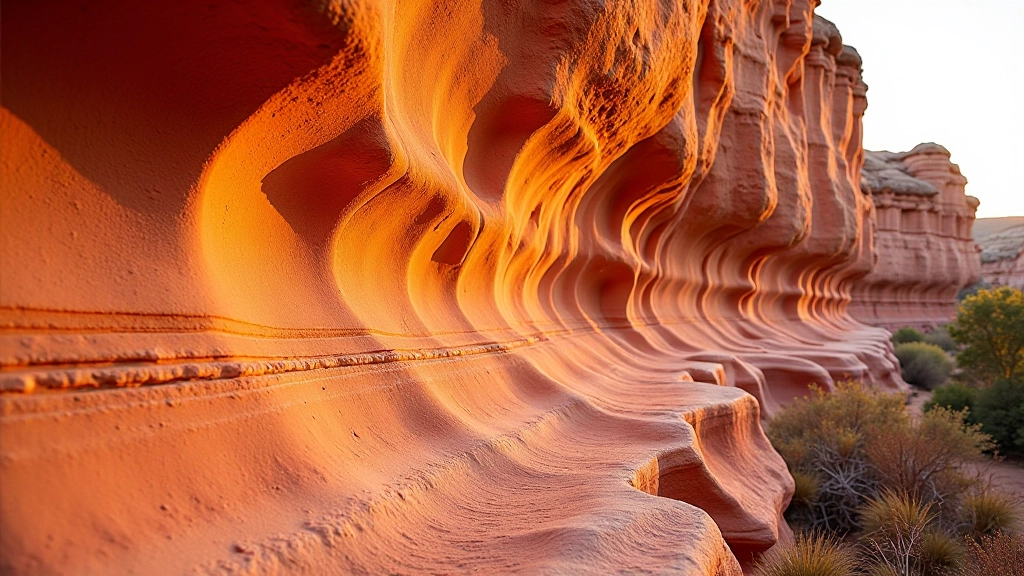
Sandstone isn't like granite. It's softer, more porous, and honestly more fragile. When you're walking on sandstone, you're treading on rock that's been shaped by wind and water for millions of years. The texture changes constantly — sometimes it's smooth, sometimes it crumbles under your feet.
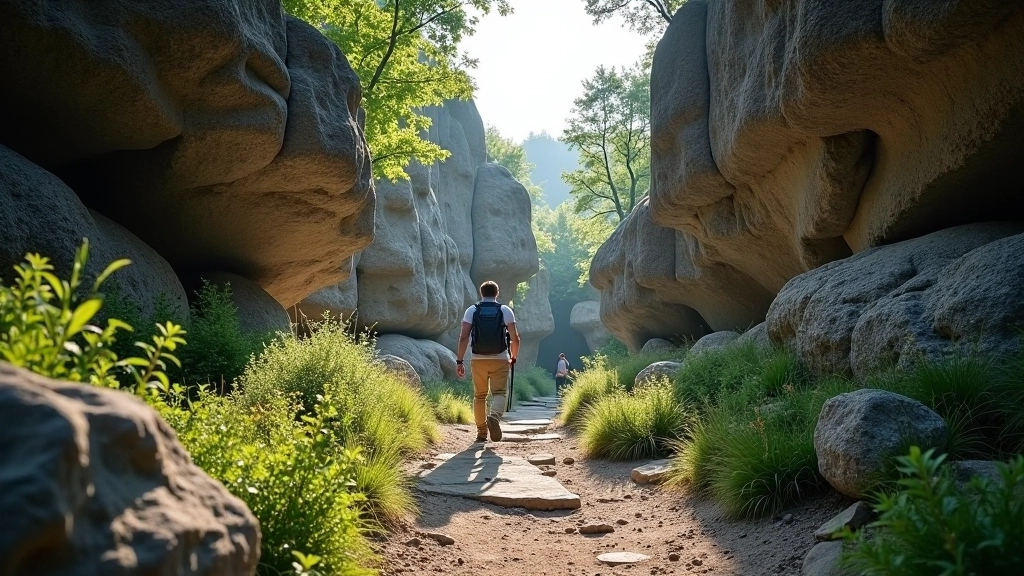
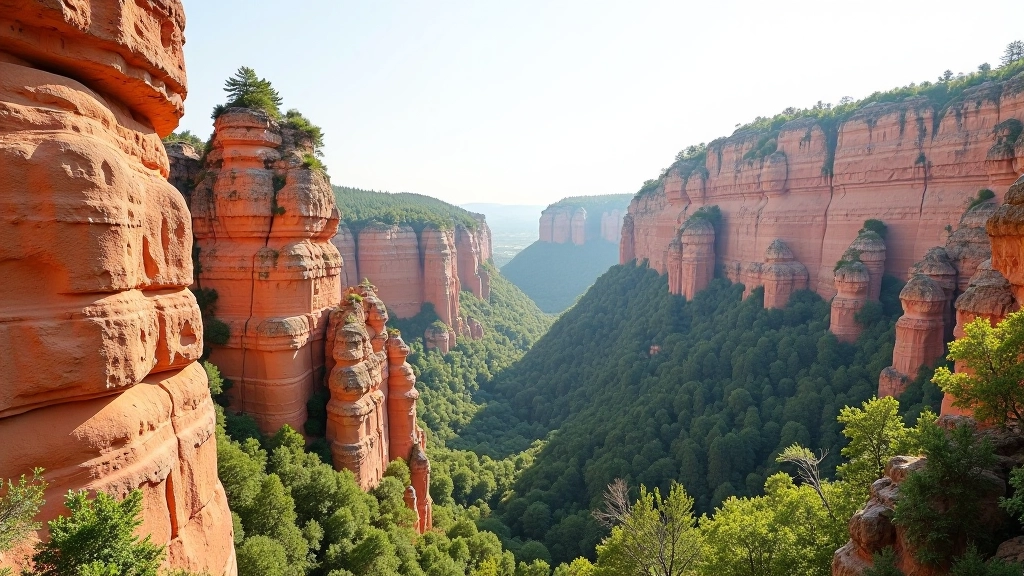
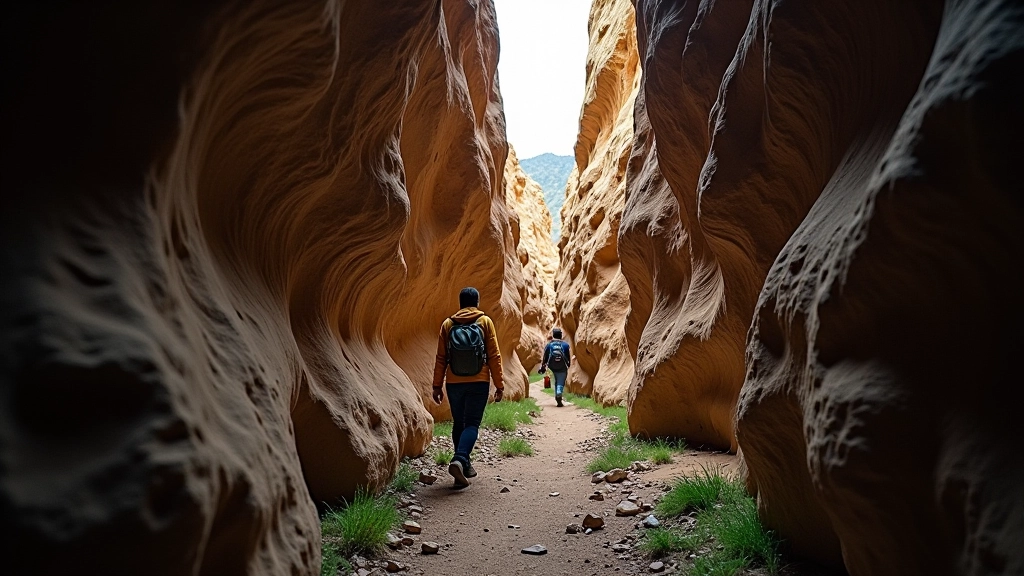
The real difference shows up in how the terrain shapes itself. You'll see natural corridors carved between massive rock formations, narrow passes that create dramatic landscapes, and layers of different colored stone stacked like a geological cake. It's beautiful, but it demands respect.
Plus, sandstone trails tend to have more water features — streams cutting through valleys, occasional small waterfalls after rain. The ground stays damper longer, which means better grip in most places, but also means you need to watch for slippery spots.
Before You Go
This guide is informational and educational. Trail conditions change seasonally and after weather events. Always check current conditions with local park services, bring proper equipment, and don't hike alone. If you're new to sandstone terrain, consider starting with guided tours or going with experienced hikers. Different regions have different rules about where you can walk — some areas protect the rock formations and restrict access to designated trails only.
Safe Beginner Routes in Sandstone Regions
Not all sandstone trails are created equal. Some are well-maintained, clearly marked, and genuinely beginner-friendly. Others? They're basically climbing routes disguised as hiking paths.
Look for trails that stay at consistent elevation without major scrambling sections. The best beginner routes follow natural valleys where the path is already carved out. You want trails where the rock formations are on your sides, not blocking your way forward. Distance matters too — start with 4-6 km routes that take 2-3 hours. That gives you time to adjust to the terrain without exhaustion setting in.
Water features are good markers. Trails that follow streams or small rivers tend to be easier because the water's already done the work of creating a natural path. Just watch the ground after rain — wet sandstone can be surprisingly slippery.
Gear and Footwear That Actually Matters
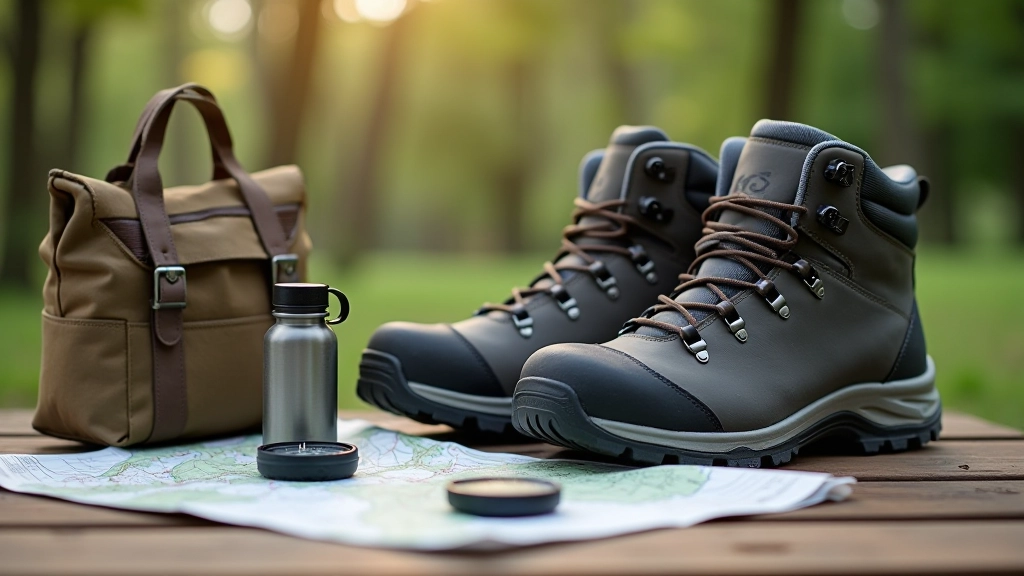
Your feet take a beating on sandstone. The rock is uneven, sometimes sharp, and it doesn't forgive sloppy footwork. Good hiking boots aren't a luxury here — they're essential. You need ankle support because the ground is so irregular.
Look for boots with solid traction. The soles should have deep treads because sandstone dust is basically like walking on ball bearings when it's dry. Mid-height boots work best. You'll be making small adjustments constantly, and your ankles will appreciate the support.
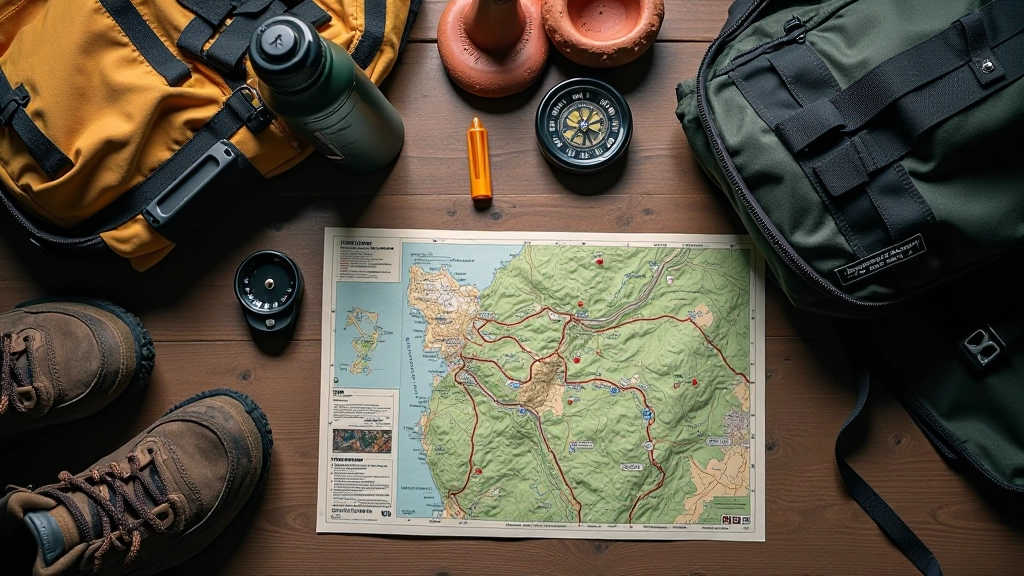
Beyond footwear, bring extra water. Sandstone regions don't have much shade — you're mostly exposed to sun bouncing off red rock. A hat's non-negotiable. And here's something people overlook: bring a small brush or cloth. Sandstone dust gets everywhere, and it's worth cleaning off your hands before eating.
Techniques for Navigating Rocky Terrain
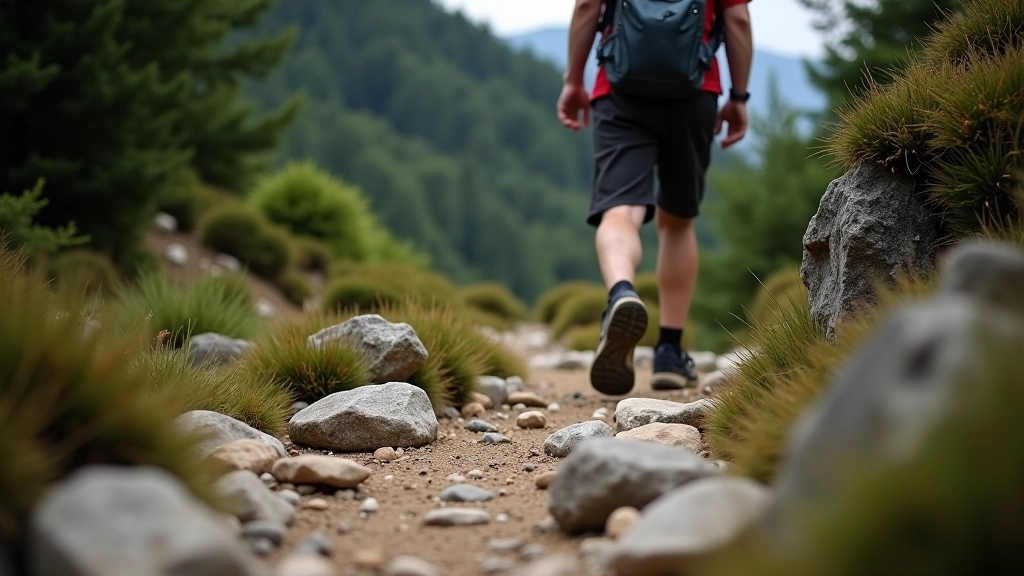
Walking on sandstone is different from walking on dirt or grass. The rocks shift slightly, and your feet need to adapt constantly. Slow down. That's the biggest adjustment beginners need to make. Your normal hiking pace doesn't work here.
Focus on foot placement. You're not trying to cover distance — you're trying to find solid footing. Step deliberately. Test each placement before putting your full weight down. It sounds tedious, but once you develop the rhythm, it becomes natural. Most hikers adjust within the first 20 minutes.
Use your arms for balance. Trekking poles help tremendously on steep sections. They give you three points of contact instead of two, which makes a huge difference on uneven ground. Even if you don't normally use poles, consider bringing them for sandstone trails.
Starting Your Sandstone Adventure
Sandstone hiking isn't harder — it's just different. You'll develop new skills, appreciate geological formations you wouldn't see elsewhere, and experience landscapes that feel genuinely unique. The key is starting small, respecting the terrain, and taking time to adjust to how your body moves on rocky ground.
Pick a beginner-friendly route, bring the right gear, and don't rush. You'll find that sandstone trails offer something special — a connection to the landscape that's more tactile, more present, more real than smooth forest paths. That's what makes them worth experiencing.